Jewellery Catalogue & Campaign Photography
Creating consistency across a fast-moving fashion collection
For this fashion brand, the requirement was clear: build a catalogue and lookbook that could support e-commerce, campaigns, and ongoing marketing, without needing frequent reshoots.
The collection included multiple garments, colourways, and fits. The challenge was not creativity in isolation, but consistency at scale.
The challenge
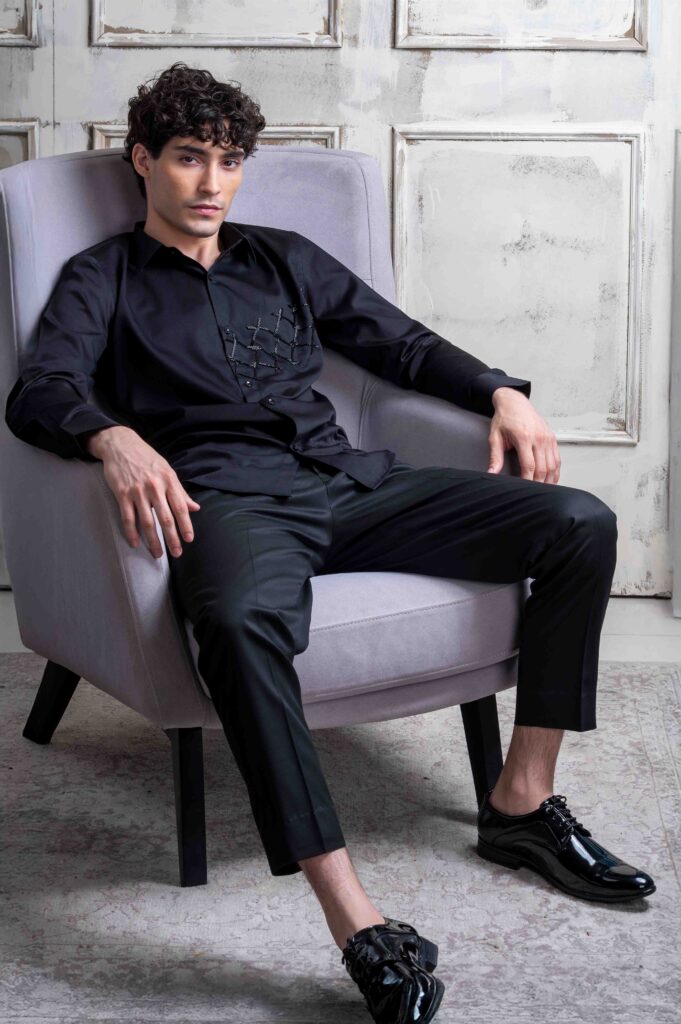
Fashion catalogues often fail when images look strong individually but fall apart when viewed together. In this case, the brand needed visuals that could live side by side across a website, catalogue, and campaign material without visual noise.
Key challenges included:
- Maintaining uniformity across multiple outfits and poses
- Ensuring accurate colour reproduction across fabrics
- Balancing brand personality with clean, commercial presentation
- Creating images that could be reused across seasons and platforms
The visuals had to feel aspirational, but also practical.
The studio’s approach
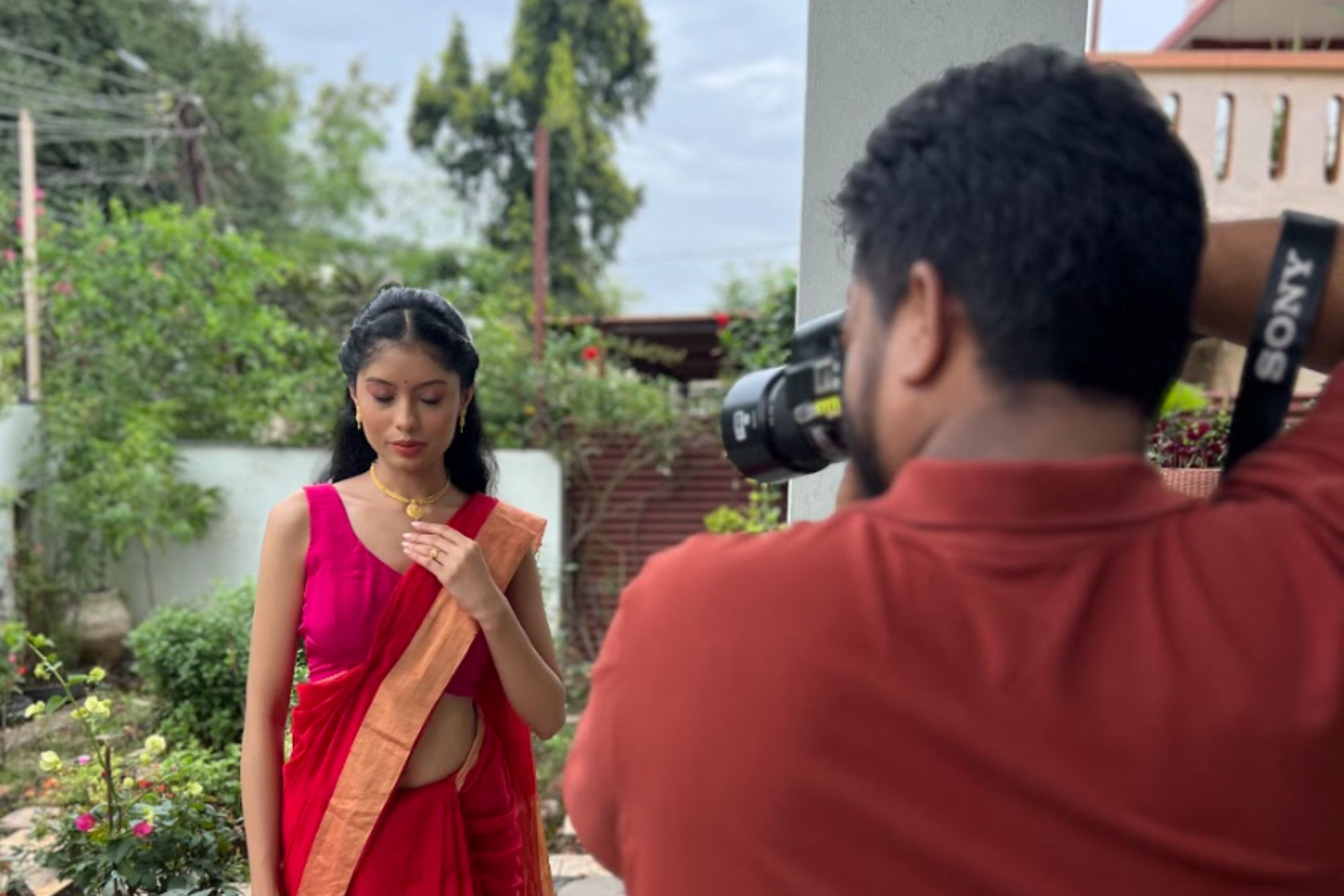
The project was led by Mrugank, with the studio team working closely on planning and execution. Before the shoot, the focus was on defining a clear visual framework rather than chasing variety.
This included:
- Deciding a consistent lighting style and camera perspective
- Establishing pose guidelines to maintain flow across images
- Aligning styling, backgrounds, and framing with the brand’s identity
Shot lists were structured to ensure coverage without redundancy, allowing the team to work efficiently while maintaining consistency.
Designed for reuse
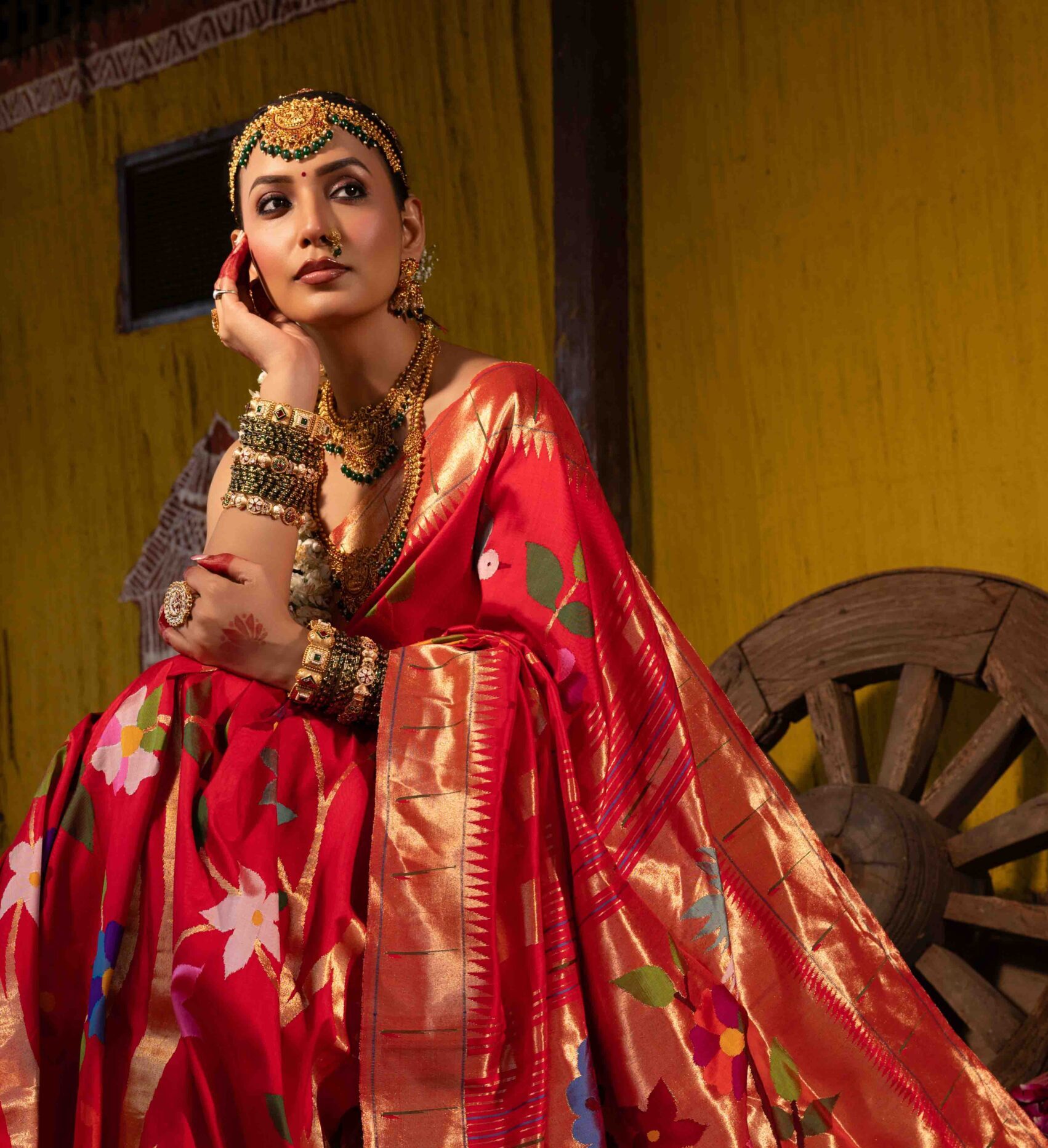
Rather than producing images tied to a single campaign, the visuals were designed to be modular. Each image could function independently for marketing while still fitting seamlessly into a larger catalogue or grid layout.
Post-production focused on consistency and accuracy. Colours were kept true to fabric, textures were preserved, and retouching was minimal. The goal was reliability, not over-polish.
The outcome
The final result was a clean, cohesive visual library that the brand could use across:
- E-commerce listings
- Seasonal catalogues
- Campaign creatives
- Social and digital platforms
The brand gained a scalable visual system that reduced dependency on frequent reshoots and simplified content planning.
Takeaway
This project reflects the studio’s strength in handling volume without compromising quality. With clear leadership, a structured process, and a collaborative team, the focus stays on building visuals that work long after the shoot is over.